Bat mitzvah bedeutung
To emphasize this point, some rabbis require a bar mitzvah student to sign an agreement promising to continue Jewish education after the bar mitzvah.
The Reform movement tried to do away with the Bar Mitzvah for a while, scorning the idea that a 13 year old child was an adult.

The celebrant is also generally required to make a speech, which traditionally begins with the phrase “today I am a man.“ The father recites a blessing thanking G-d for removing the burden of being responsible for the son's sins. Proverbs 22:6). It is most common for the celebrant to learn the entire haftarah portion, including its traditional chant, and recite that.
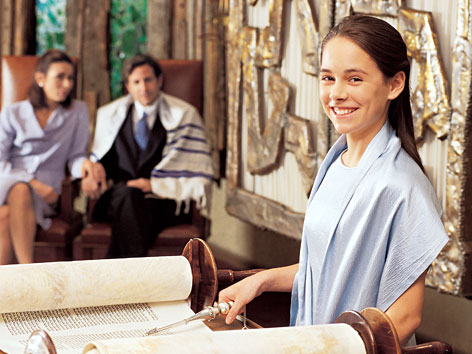
No ceremony is needed to confer these rights and obligations. In some congregations, the celebrant reads the entire weekly torah portion, or leads part of the service, or leads the congregation in certain important prayers. This is often followed by the girl giving a speech, called a D’var Torah, which discusses the Torah portion and its relevance.
Blessings and Participation: The local rabbi, elders, or family members often pronounce blessings over the young person. The popular bar mitzvah ceremony is not required, and does not fulfill any commandment. This reading is central to Jewish worship and underscores the new responsibility the teen embraces.
2. Celebratory Meal: A festive meal follows, often including extended family, friends, and synagogue members.
Elsewhere in the Talmud, the proper age for marriage is said to be 16-24. In Anglo-American common law, a child of the age of 14 is old enough to assume many of the responsibilities of an adult, including minimal criminal liability. I don't know of any Reform synagogues that do not encourage the practice of Bar and Bat Mitzvahs today.
However, due to the overwhelming popularity of the ceremonies, the Reform movement has revived the practice. Different Jewish denominations and communities worldwide have modified specifics of the custom (for example, whether or not women can read the Torah in a mixed congregation), but the central message remains: the young person’s formal entry into an accountable faith life.
Considerations for Broader Study
1.
The earliest records of formal bar mitzvah celebrations date to the Middle Ages, though informal acknowledgments of spiritual responsibility are attested in various Jewish communities even earlier. Age of Accountability: Scripture repeatedly portrays childhood as a season of learning and the teenage years as a time for applying that knowledge (cf.
This is a misunderstanding of the term. Haftarah Reading and Commentary: Following the Torah reading, the bar/bat mitzvah may also read from the Haftarah (a portion from the Prophets). The term “Bat Mitzvah” means “daughter of the commandment” in Aramaic and is actually the person, a girl who is coming-of-age to enter adulthood.
Bat Mitzvah Ceremony = Celebration of a Bat Mitzvah’s Transition into Adulthood
While the “Bat Mitzvah” is the girl coming-of-age, the “Bat Mitzvah ceremony” is the coming-of-age ceremony.
In Pirkei Avot, it is said that while 13 is the proper age for fulfillment of the Commandments, 18 is the proper age for marriage and 20 is the proper age for earning a livelihood. Though the Bible itself does not supply an exact format for such a ceremony, the principle of teaching and transferring covenant responsibilities to the younger generation permeates Scripture.
If you compare this to secular law, you will find that it is not so very far from our modern notions of a child's maturity.
The age set for bar mitzvah is not an outdated notion based on the needs of an agricultural society, as some suggest. Over time, synagogue traditions shaped the rite of passage into a formal ceremony, marked by public reading from the Torah, speeches, and blessings.
Talmudic writings (e.g., Babylonian Talmud, Niddah 45b) refer to a boy’s 13th birthday as the point at which he becomes obligated in the commandments.
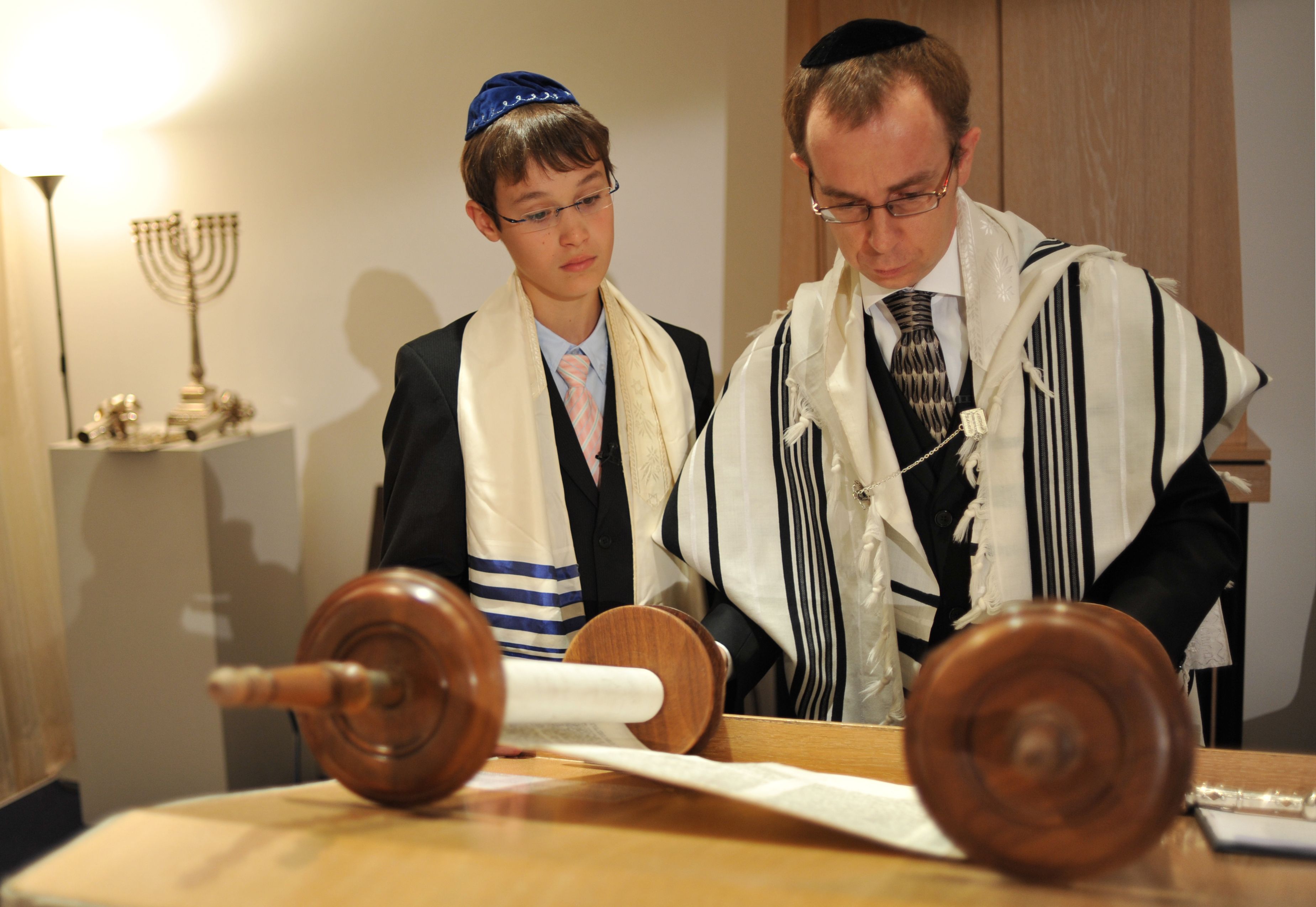
The Bar Mitzvah ceremony formally marks the assumption of that obligation, along with the corresponding right to take part in leading religious services, to count in a minyan (the minimum number of people needed to perform certain parts of religious services), to form binding contracts, to testify before religious courts and to marry.
In direct terms, the individual is now responsible for observing the commandments (mitzvot) prescribed in Jewish law.
Historical and Cultural Background
Though the bar/bat mitzvah ceremony as we know it is not explicitly described in Old Testament Scripture, the age of accountability has ancient roots within Jewish culture. The Talmud makes this abundantly clear.
In Orthodox and Chasidic practice, women are not permitted to participate in religious services in these ways, so a bat mitzvah, if celebrated at all, is usually little more than a party. It is a relatively modern innovation, not mentioned in the Talmud, and the elaborate ceremonies and receptions that are commonplace today were unheard of as recently as a century ago.
Interfaith Context: While bar/bat mitzvah is distinctively Jewish, it provides an interesting parallel for those considering how faith traditions mark spiritual milestones.
2.

Deuteronomy 6:7 commands, “You shall teach them diligently to your children…” implying that children eventually grow to bear their own accountability in obeying God’s Word. Reading of the Torah: The centerpiece is the public reading from the Torah scroll-often the assigned weekly portion.
A Jewish boy automatically becomes a Bar Mitzvah upon reaching the age of 13 years.
“Mitzvah” is “commandment” in both Hebrew and Aramaic. The passage notes His demonstration of wisdom and understanding of the Law, illustrating a pivotal moment of recognized responsibility amid His community.