Was ist polyacrylate crosspolymer-6
This ingredient is typically well-tolerated by most skin types, although as with any ingredient, individuals with sensitive skin may want to patch test products containing it.
Comedogenic Rating
Polyacrylate Crosspolymer-6 has a comedogenic rating of 1. The growing chains are joined by the crosslinker, which locks the structure into microspheres that later disperse easily in water-based or emulsion systems.
After purification and drying, the powder is ready for cosmetic labs.
Because of its ability to thicken without leaving a heavy film, Polyacrylate Crosspolymer-6 appears in sheet masks, lightweight moisturizers, hydrating serums, sunscreens, peel-off masks, color cosmetics, after-sun gels, men’s grooming products and even water-based primers.
Polyacrylate Crosspolymer-6’s Cosmetic Benefits/Uses
Formulators turn to this ingredient for two key technical reasons that translate into better texture and performance for the user:
- Emulsion stabilising – Keeps oil and water phases from separating so creams, lotions and sunscreens stay uniform throughout their shelf life, which means consistent application and improved active delivery
- Viscosity controlling – Builds thickness at low use levels, giving products a silky gel feel without greasiness and allowing brands to adjust flow so pumps dispense easily and jars hold their shape
Who Can Use Polyacrylate Crosspolymer-6
This texture enhancer is considered friendly for all major skin types including oily, combination, normal and dry because it is non occlusive and free of common irritants like fragrance or essential oils.
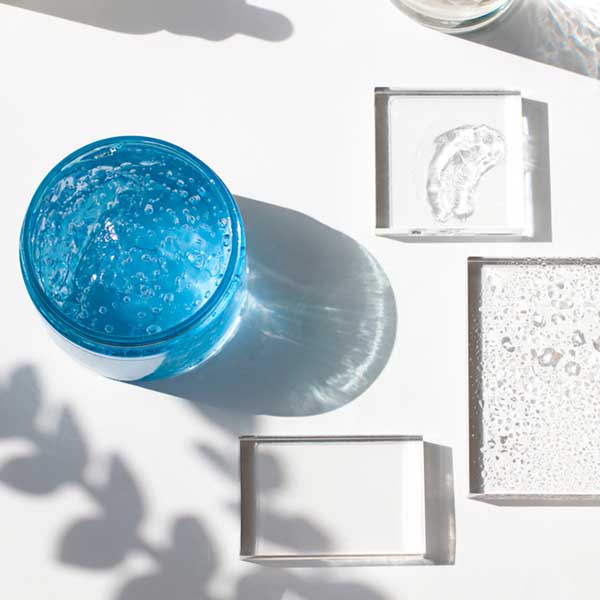
It forms transparent gels with a velvety, rich and elegant feel. Non-microplastic polymer* Non-microplastic according to Commission Regulation (EU) 2023/2055 on synthetic polymer microparticles adopted by the European Commission on September 25, 2023 Inherently ultimate biodegradable. It is generally considered safe, non-irritating, and non-comedogenic, making it a good choice for skincare formulations.
Products with Polyacrylate Crosspolymer-6
Polyacrylate Crosspolymer 6
additional info
Polyacrylate Crosspolymer-6 is also used to help stabilize several bio-active ingredients in a single formula.
It lacks oily components, does not form an occlusive film and is used at very low concentrations, all of which keep its clogging potential virtually nil.
That makes it suitable for people who are prone to acne or breakouts.
Because it helps create lightweight oil-in-water formulas, it may actually improve the feel of products designed for blemish-prone skin.
Summary
Polyacrylate Crosspolymer-6 acts primarily as an emulsion stabiliser and viscosity controller.
Its three-dimensional network thickens the water phase, suspends oil droplets and pigments then holds everything in place so the formula stays uniform from the lab to your bathroom shelf.
The polymer has gained steady popularity since the early 2000s thanks to its silky feel, broad pH tolerance and ease of use compared with older carbomers.
It can be difficult to find depending on the location. It has a MAXimal resistance to electrolytes and can be used to formulate with greater creativity and peace of mind. First introduced in the early 2000s as a modern alternative to traditional carbomers, it quickly gained popularity because it works in a wider pH range and feels lighter on the skin.
Production starts with each monomer dissolved in water, followed by controlled free-radical polymerization.
It helps create smooth, lightweight gels, improves product spreadability, and stabilizes emulsions, making formulas feel more elegant and less sticky. It is considered safe as used in cosmetics with typical usage ranging from 0.15–5%, depending on the desired outcome.

It is known for its ability to provide a smooth and luxurious feel to formulations, improve product stability, and enhance the overall user experience. Sensitive and acne-prone users usually tolerate it well although anyone with a known acrylic polymer allergy should steer clear.
Polyacrylate Crosspolymer-6 is made entirely from synthetic building blocks so it contains no animal derived materials.
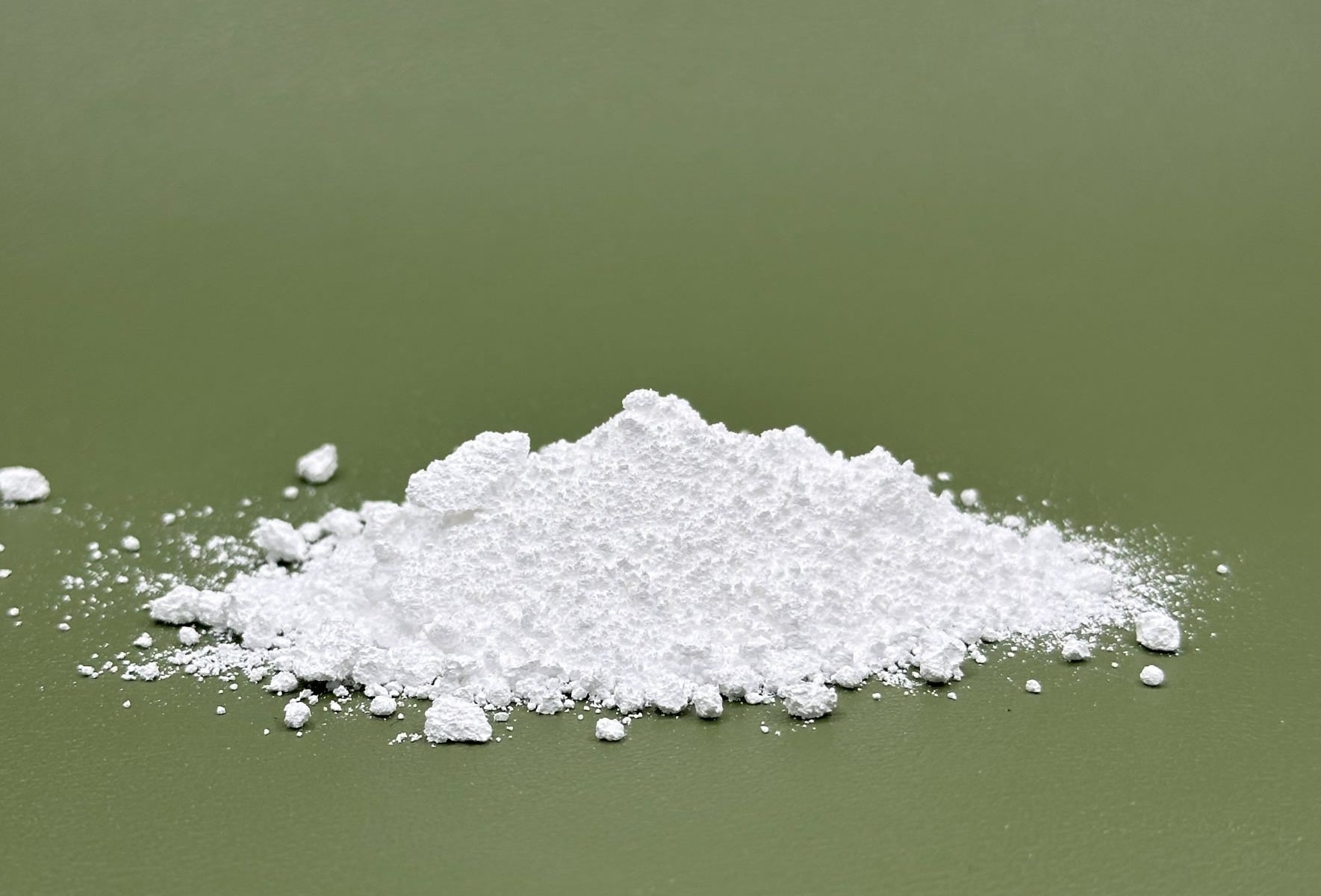
SEPIMAX ZEN™ is a next-generation thickening, stabilizing and texturizing powder polymer.
.
It has a very low likelihood to clog pores.